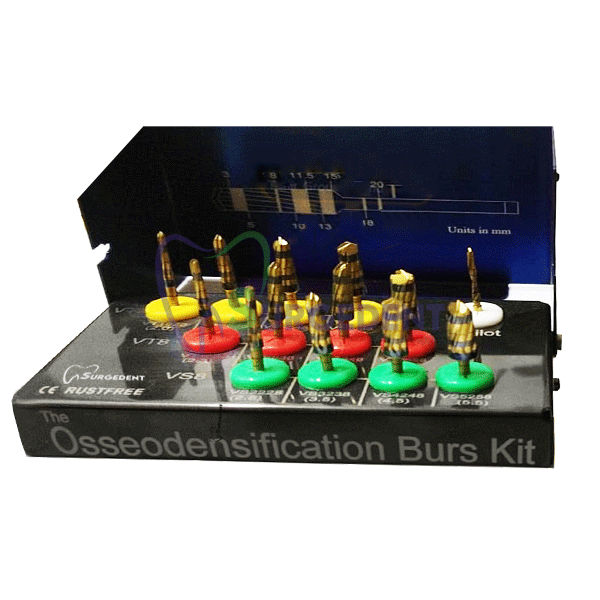
- Osseodensification burs kits are specialized sets of dental tools used in the osseodensification technique, which is a method employed during implant placement to enhance bone density, promote bone healing, and improve the primary stability of dental implants. These kits include a variety of bur designs tailored to prepare the bone for the placement of dental implants while optimizing the surrounding bone’s structure and integrity.
What is Osseodensification?
Osseodensification is a bone preparation technique in implant dentistry where the bone is condensed and densified rather than just being drilled and expanded. This technique increases the density of the bone around the implant, which results in better initial stability, especially in areas with poor bone quality. The procedure is typically performed using specialized burs that have a unique design compared to traditional drills.
Key Features of Osseodensification Burs Kits:
- Unique Bur Design:
- Osseodensification burs are typically designed with a reverse cutting edge or conical shape to move bone in a way that condenses and compacts it, as opposed to traditional burs that remove bone. The tapered design helps to densify the bone, making it more compact and suitable for implant placement.
- Material and Durability:
- These burs are usually made of high-quality stainless steel or titanium, ensuring their durability and resistance to wear. Some premium burs are coated with titanium nitride to increase their longevity and performance.
- Multiple Sizes and Types:
- Osseodensification burs kits often include a range of sizes to accommodate different implant preparations. This enables the dentist to select the correct bur for the specific bone quality and implant size being used.
- The kits might include different types of burs, such as:
- Tapered burs: For initial bone preparation.
- Cylindrical burs: For refining the bone density.
- Progressive or graduated burs: For a step-by-step densification process.
- Precision Cutting and Bone Shaping:
- These burs are designed to achieve precise bone shaping without causing excessive heat or damage to the surrounding tissue. The reverse-cutting mechanism ensures that the bone is compacted rather than removed, providing a better environment for implant integration.
- Specialized Mechanism:
- The rotational direction and cutting edges of the osseodensification burs differ from traditional implant preparation burs. Some burs in these kits may also be equipped with specific features for counterclockwise rotation to reduce the risk of damaging the bone while densifying it.
Benefits of Osseodensification:
- Improved Primary Stability:
- By densifying the bone, osseodensification provides better primary stability for the dental implant. This is especially beneficial in cases where the bone density is poor or in soft bone areas, as it increases the initial holding strength of the implant.
- Reduced Heat Generation:
- Traditional drills can generate excessive heat during bone preparation, which may damage the surrounding bone. Osseodensification burs are designed to minimize heat generation, making them safer for use in sensitive areas.
- Enhanced Bone Quality:
- The technique improves bone density in the immediate area of implant placement. This increased density helps the implant to integrate more securely, reducing the risk of implant failure and promoting faster healing.
- Reduced Risk of Bone Loss:
- By condensing the bone instead of cutting it away, osseodensification minimizes the risk of bone loss around the implant site. This leads to better long-term success and stability of the implant.
- No Need for Bone Grafting:
- In many cases, osseodensification can be an alternative to bone grafting procedures, especially when dealing with areas of low bone density. The densification process can allow implants to be placed without the need for additional bone material, saving time and reducing costs.
- Improved Soft Tissue Management:
- Since the osseodensification technique is minimally invasive and doesn’t involve excessive bone removal, there is typically less trauma to the surrounding soft tissues, which promotes quicker healing and recovery post-surgery.
Common Components in an Osseodensification Bur Kit:
- Starter Burs:
- Used to initiate the preparation of the bone and begin the densification process.
- Progressive Burs:
- These burs are used to gradually increase the bone density and shape it further for implant placement.
- Final Burs:
- Used to create a final, stable environment for the implant, ensuring that the bone is adequately prepared for the implant’s insertion.
- Instruments for Bone Expansion:
- Some kits include instruments for bone expansion along with osseodensification burs to further prepare the bone for implants, especially in cases where the bone needs to be slightly expanded without compromising its density.
- Tapered Burs:
- These burs are often included for achieving a conical shape in the bone, which helps provide the implant with the best possible fit and primary stability.
- Spacer and Ruler:
- These tools may be included to help measure the depth of the preparation site and ensure proper alignment of the implant.
How Osseodensification Burs Are Used:
- Initial Bone Preparation:
- The dentist or oral surgeon starts by using a pilot drill to create an initial hole in the bone, followed by the osseodensification bur to begin the densification process. The bur is typically rotated at a lower speed than traditional drills to prevent overheating.
- Progressive Densification:
- The surgeon uses progressively larger osseodensification burs, ensuring that bone is gradually compacted and not removed. The process often includes counterclockwise rotation to minimize bone loss.
- Final Implant Site Creation:
- Once the bone is adequately densified and shaped, the final bur is used to create the final preparation for the implant, ensuring a precise fit and ensuring that the bone around the implant is dense and stable.
Applications:
- Implant Placement: Primarily used in dental implant surgery to improve primary stability in cases where bone density is insufficient.
- Bone Densification: Commonly used in areas with low bone density, such as the posterior maxilla, where traditional drilling techniques may not provide adequate stability.
- Soft Bone Areas: Ideal for treating areas of soft bone, where the ability to densify bone improves implant success rates.
Conclusion:
Osseodensification burs kits represent a significant advancement in dental implantology. By optimizing bone density and enhancing the primary stability of implants, these specialized burs help improve the overall success and longevity of dental implants. They are particularly beneficial in areas with soft or low-density bone, reducing the need for bone grafting and offering a safer, more efficient approach to implant preparation. The burs are a critical tool for achieving better bone quality and faster recovery, making them an essential component of modern implant placement procedures.
- Unique Bur Design:




Reviews
There are no reviews yet.